
You don’t have to move away to build a career. You don’t have to take on big debt either.
An apprenticeship pays you to learn a skilled job, and many of those jobs are right in your region. Your town needs electricians, mechanics, lineworkers, and nurses. Someone is going to get trained for those jobs. It might as well be you.
What Is an Apprenticeship?
- You earn while you learn. Apprentices are employees. You get a paycheck from day one, and it grows as your skills do.
- You learn on the job. Most of your training happens at work, side by side with experienced pros. The rest happens in a classroom or online.
- You finish with a credential. Registered Apprenticeships end with a nationally recognized credential that goes wherever you go.
- You keep debt low. Many programs cover the cost of your classroom training. Ask before you sign up.
Apprenticeships That Fit Rural Communities
These are jobs every rural region needs, and many of them can’t be shipped somewhere else.
- Lineworker. Keeps the power on across miles of rural lines.
- Electrician, plumber, and HVAC technician. Every new home, barn, school, and business needs them.
- Diesel and heavy equipment technician. Trucks, tractors, and machinery all need someone who can fix them.
- Agricultural equipment technician. Modern farm equipment runs on computers. Techs who understand both are in demand.
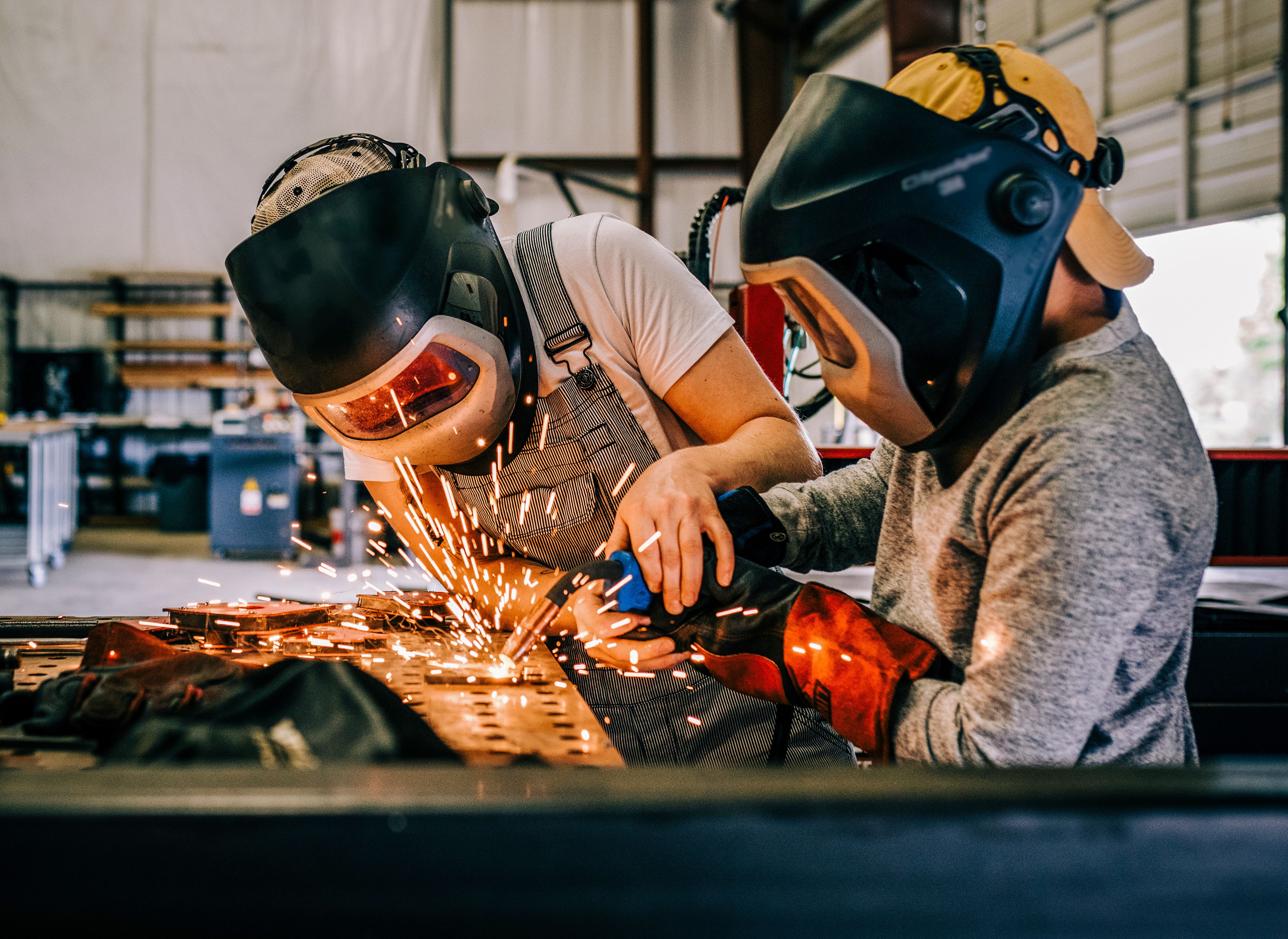
- Welder. Used in farming, construction, manufacturing, and energy.
- Healthcare roles. Nursing assistants, pharmacy technicians, and other roles keep rural clinics and hospitals running.
- Commercial truck driver. Moves the goods rural economies depend on.
- Broadband and fiber technician. Rural internet expansion needs people to build and maintain it.
Where to Find Apprenticeships Near You
- Apprenticeship.gov. The U.S. Department of Labor’s Apprenticeship Job Finder lets you search openings by location. Start searching.
- Your school’s CTE program. Ask about youth apprenticeships and pre‑apprenticeships. Some let you start while you’re still in high school.
- Community and technical colleges. Many partner with local employers and handle the classroom part of the training.
- Local employers. Hospitals, co‑ops, dealerships, and contractors often train their own workers, even if they don’t advertise it.
- Union training centers and trade associations. Many skilled trades run their own apprenticeship programs.
- Your American Job Center. Every region has one. They connect people to training and local openings at no cost. Find yours.
Explore Your Options with Level All
Not sure which trade fits you? Start there.
- Career Exploration. See what jobs actually involve day to day, including the ones in your own community.
- CTE Pathways. Explore career and technical options side by side. With state pathways, you also see the resources available in your state.
- Start early. Students who explore careers before high school make better choices once they get there.
How to Get Ready Now
- Take CTE classes. Shop, ag, health science, and welding classes give you a head start.
- Keep up with math. Most trades use it every day, from measurements to wiring to dosages.
- Get your driver’s license. Many programs require one, and rural job sites can be spread out.
- Get work experience. Farm work, part time jobs, and helping a family business all count.
- Build your references. Teachers, coaches, and employers who can vouch for your work ethic matter.
For Educators: How to Use Level All With Your Students
- Assign it. Build Career Exploration into advisory so every student sees trades as a real option.
- Connect with your workforce board in Level All State Pathways. Regional workforce boards know which local employers are hiring and training.
- Use ready made lessons. Try the lesson plans rural educators asked for and the resources rural educators and students use most.
Get paid to learn. Start exploring free in Level All.
